

Explore All Blogs | Insights on Smart Toilets & Bidets
Bidet water temperature guide for comfort and hygiene
Most people assume any water temperature works for bidets, but research shows that improper settings can cause discomfort, ineffective cleaning, and even skin damage. The ideal bidet water temperature typically falls between 86°F and 100°F, with most users finding 95-98.6°F optimal for daily hygiene. This guide walks you through understanding optimal temperature ranges, how different bidet types control water heat, special considerations for sensitive skin and health conditions, and practical steps for choosing and adjusting your bidet settings at home.
Table of Contents
- Understanding Optimal Bidet Water Temperatures
- How Bidets Provide And Control Water Temperature
- Special Considerations: Sensitive Skin And Health Conditions
- Choosing And Adjusting Bidet Water Temperature For Your Home
- Explore Premium Bidet Seats For Ideal Temperature Control
- Frequently Asked Questions About Bidet Water Temperature
Key takeaways
| Point | Details |
|---|---|
| Ideal temperature range | Water between 86°F and 100°F provides the best balance of comfort and effective cleaning for most users. |
| Electric vs non-electric | Electric bidets offer consistent warm water through internal heaters, while non-electric models mix household hot and cold lines or use cold water only. |
| Health benefits | Warm water at low pressure helps relieve hemorrhoid discomfort and supports post-surgery healing as effectively as sitz baths. |
| Skin safety | Temperatures below 68°F cause discomfort and poor cleaning, while temperatures above 104°F risk damaging your skin’s protective barrier. |
Understanding optimal bidet water temperatures
The optimal bidet water temperature range is 30-38°C (86-100°F), with 35-37°C ideal for most users according to hygiene research. This range balances effective cleaning with skin safety and comfort. Most people find temperatures around 95-98.6°F (35-37°C) perfect for daily use because this matches natural body temperature and feels neither too warm nor too cool.
Water temperature directly impacts both cleaning effectiveness and skin health. Cold water below 20°C causes shock, vessel constriction, and poor cleaning, making it harder to remove bacteria and residue effectively. Your blood vessels constrict in response to cold, reducing circulation to the area and limiting the natural cleansing process. Cold water also feels uncomfortable, especially during winter months or in cooler climates, which can discourage regular bidet use.
On the opposite end, temperatures above 40°C damage the skin barrier by stripping away natural oils and protective layers. Hot water can cause redness, irritation, and increased sensitivity over time. Your skin in the perianal region is particularly delicate and susceptible to thermal damage, so maintaining moderate temperatures protects long-term skin health.
Here’s how different temperature ranges affect your bidet experience:
| Temperature Range | Effect on Comfort | Cleaning Effectiveness | Skin Impact |
|---|---|---|---|
| Below 68°F (20°C) | Uncomfortable, causes shock | Poor, vessels constrict | Temporary discomfort |
| 68-86°F (20-30°C) | Tolerable but cool | Moderate | Generally safe |
| 86-100°F (30-38°C) | Optimal comfort | Excellent | Ideal for skin health |
| 100-104°F (38-40°C) | Very warm | Good but risky | Risk of irritation |
| Above 104°F (40°C) | Too hot, painful | Effective but dangerous | Damages skin barrier |
The risks of extreme temperatures include:
- Cold water causes immediate discomfort and can lead to muscle tension in the pelvic floor
- Prolonged cold exposure reduces blood flow, slowing natural healing processes
- Hot water strips protective oils, leaving skin vulnerable to bacterial infection
- Excessive heat can cause minor burns or persistent irritation in sensitive tissue
- Temperature shock from either extreme can trigger involuntary muscle spasms
Pro Tip: Start with lukewarm water around 90°F when first using a bidet, then adjust up or down by a few degrees until you find your personal comfort zone.
Understanding bidet seat terminology explained helps you navigate temperature control features when shopping for your ideal model. Look for terms like “adjustable warm water” or “temperature presets” to ensure you get the customization you need.
How bidets provide and control water temperature
Electric bidets use tank or instant heaters for consistent warm water, while non-electric models rely on mixing household hot and cold lines or offer cold water only. This fundamental difference affects your comfort, installation requirements, and ongoing operating costs.
Electric bidet seats feature built-in heating systems that come in two main types. Tank-style heaters store a reservoir of pre-heated water, providing immediate warm water when you activate the spray. These tanks typically hold enough for 30-60 seconds of continuous use before the temperature drops slightly. Tankless or instant heaters warm water on demand as it flows through the unit, offering unlimited warm water without temperature fluctuation.
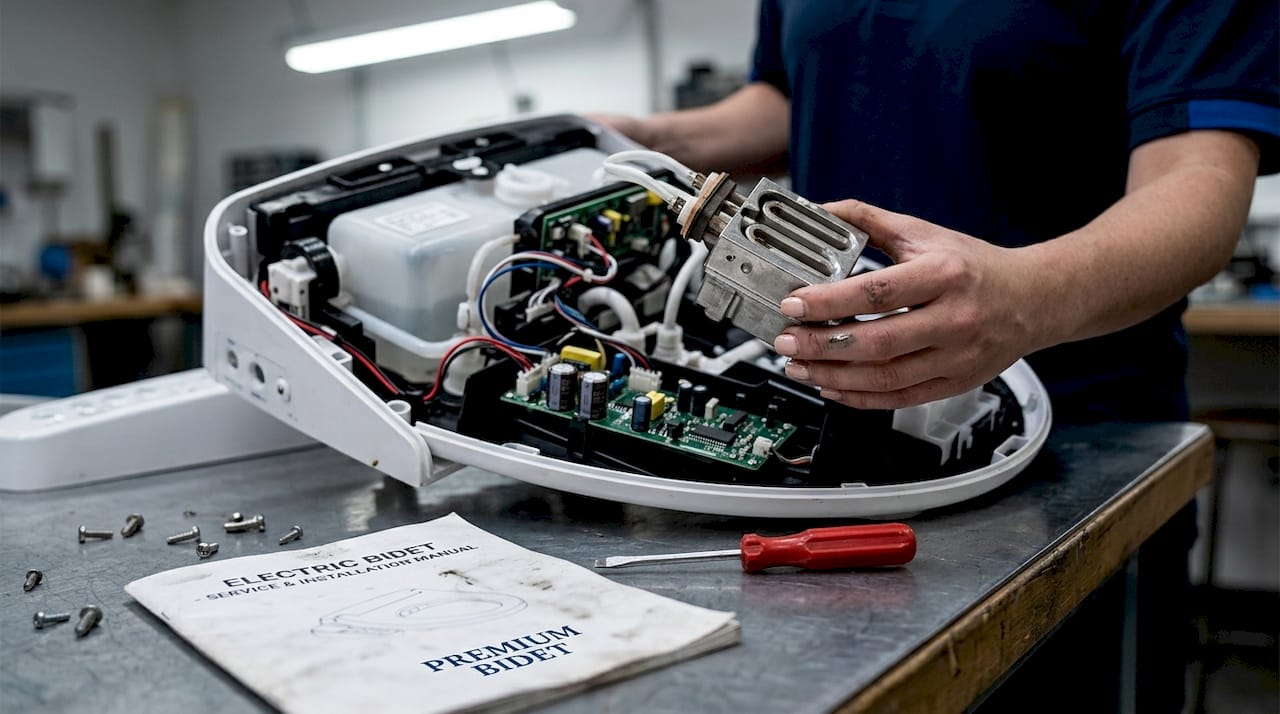
Non-electric bidet attachments and sprayers take a simpler approach. Models with dual water connections attach to both your toilet’s cold water line and your sink’s hot water line, allowing you to manually adjust temperature with a control knob. Single-connection models use only cold water, which works fine in warm climates but can be uncomfortable in colder regions or during winter.
| Feature | Electric Bidets | Non-Electric Bidets |
|---|---|---|
| Heating method | Internal tank or instant heater | Mixing hot/cold lines or cold only |
| Temperature consistency | Very consistent | Varies with household water |
| Installation complexity | Requires electrical outlet | No electricity needed |
| Initial cost | $250-$1,000+ | $30-$150 |
| Operating cost | Adds to electric bill | No ongoing cost |
| Warm water duration | Unlimited (tankless) or limited (tank) | Depends on home water heater |
Pro Tip: Consider your climate and plumbing setup when choosing between electric and non-electric models for the best balance of comfort and eco-friendliness.
Installation considerations vary significantly between these options. Electric models need a nearby GFCI-protected electrical outlet, which may require hiring an electrician if your bathroom lacks one. Non-electric dual-connection models need access to a hot water line, typically from under your sink, requiring a longer installation process and potentially a plumber’s help. Cold-only attachments install in minutes with basic tools.
Your home’s water heater settings also matter for non-electric bidets. Most water heaters maintain temperatures between 120-140°F, which is too hot for direct bidet use. The mixing valve in dual-connection models lets you blend hot and cold to reach comfortable temperatures, but you’ll need to adjust it each time household water temperature changes seasonally.
Energy efficiency differs between these systems too. Electric bidets consume power continuously to maintain water temperature in tank models, though tankless versions only use electricity when actively heating during use. Non-electric models leverage your existing water heater, so they don’t add to your electric bill but may increase gas or electric water heating costs slightly.
For detailed guidance on setting up either type, check out how to install a bidet DIY tips for step-by-step instructions. If you’re considering the unlimited warm water benefit, explore tankless bidet seat advantages to understand how instant heating technology works.
Special considerations: sensitive skin and health conditions
For hemorrhoids and post-op care, warm water at approximately 38°C with low pressure matches sitz bath efficacy in pain relief and healing according to randomized controlled trials. This finding validates what many healthcare providers recommend: bidets can serve as convenient alternatives to traditional sitz baths for managing specific health conditions.
Warm water around 100°F (38°C) combined with gentle pressure creates an ideal environment for healing sensitive tissue. The warmth increases blood flow to the affected area, promoting faster healing and reducing inflammation. Low pressure prevents additional trauma to already irritated or damaged skin, while still providing thorough cleaning that reduces bacterial exposure.
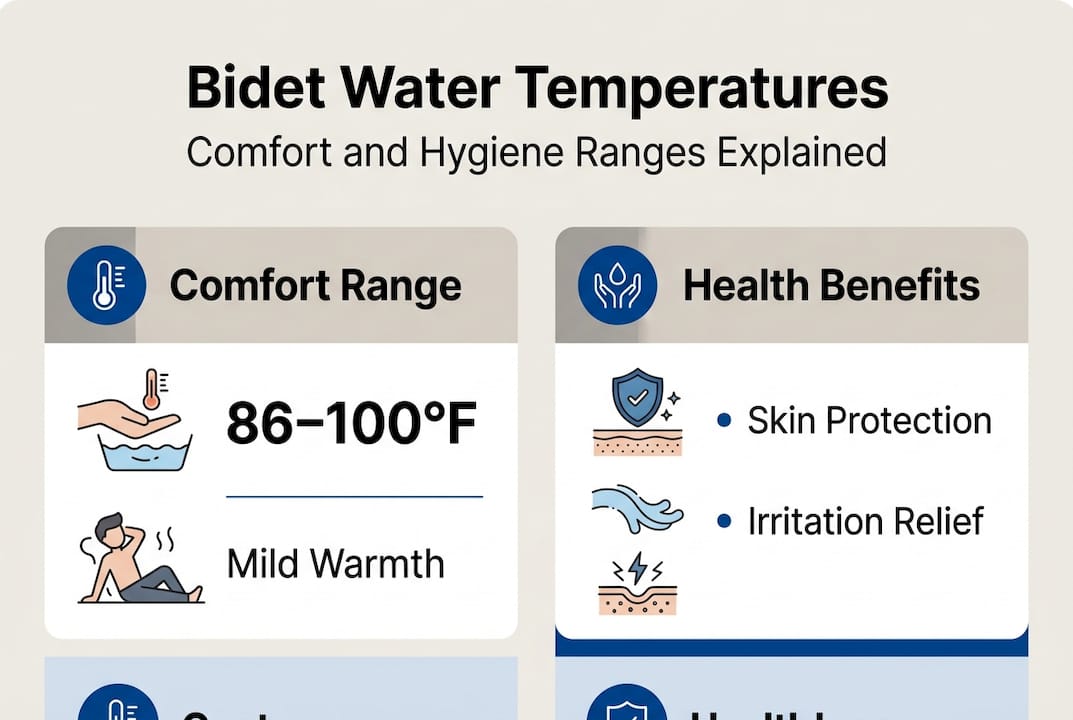
Clinical evidence shows this combination provides several therapeutic benefits. Patients recovering from hemorrhoidectomy, episiotomy, or other perianal surgeries experienced comparable pain reduction and healing rates using warm water bidets versus traditional sitz baths. The convenience factor also improved compliance, as patients found bidets easier to use multiple times daily compared to filling and cleaning a sitz bath.
Sensitive skin and hemorrhoids require low pressure plus lukewarm water to prevent irritation, and you should consult your doctor for severe cases before starting bidet use. Some conditions require specific precautions or may temporarily contraindicate bidet use until initial healing occurs.
For users with sensitive skin or specific health conditions, follow these guidelines:
- Start with the lowest pressure setting and increase gradually only if comfortable
- Keep water temperature between 95-100°F to avoid thermal irritation
- Limit spray duration to 30-60 seconds to prevent over-cleaning
- Pat dry gently rather than rubbing after bidet use
- Avoid oscillating or pulsating spray modes during acute flare-ups
- Clean your bidet nozzle regularly to prevent bacterial buildup
Pro Tip: If you have hemorrhoids or recent surgery, consult your healthcare provider before using a bidet to ensure it’s appropriate for your specific situation and healing stage.
Certain skin conditions benefit particularly from proper temperature control. Eczema and psoriasis in the perianal region respond well to lukewarm water that doesn’t strip natural oils. People with diabetes need to be extra cautious about water temperature since reduced sensation can lead to burns without immediate awareness. Pregnant women often find warm water bidets helpful for managing increased sensitivity and hygiene needs.
The key is customization based on your individual needs. What feels comfortable and therapeutic for one person might be too warm or too cool for another. Modern bidet seats with precise temperature controls let you dial in your perfect setting and save it as a preset for consistent comfort.
If you’re specifically looking for features that support sensitive skin and health conditions, learn more about are heated bidet seats worth it to understand which models offer the most therapeutic benefits.
Choosing and adjusting bidet water temperature for your home
Prioritize adjustable electric bidets for customizable comfort in varying US climates, or choose non-electric models for eco-friendly and minimalist setups. Your decision should balance comfort needs, budget, existing plumbing, and environmental priorities.
Follow these practical steps to select and optimize your bidet’s water temperature:
- Assess your climate and seasonal temperature variations to determine if cold water alone will suffice or if heating is essential for year-round comfort.
- Evaluate your bathroom’s electrical and plumbing setup, noting outlet locations and access to hot water lines for installation planning.
- Choose between tank-style electric (immediate warm water, limited duration), tankless electric (unlimited warm water, higher cost), or non-electric dual-connection (uses home water heater, no electricity needed).
- Install your bidet following manufacturer instructions, ensuring proper connections and testing all temperature settings before regular use.
- Test temperature gradually, starting at the lowest warm setting and adjusting upward by small increments until you find your ideal comfort zone.
Climate considerations play a bigger role than many people realize. Residents in northern states or mountain regions often find cold-only bidets uncomfortable from October through April, when incoming water temperatures can drop to 40-50°F. Southern homeowners might find cold water acceptable most of the year, needing warmth only during occasional cold snaps.
Your home’s plumbing configuration affects installation complexity and cost. Bathrooms with pedestal sinks or wall-mounted toilets may lack easy hot water access for non-electric dual-connection models. Older homes without bathroom outlets near the toilet require electrical work before installing electric bidets. New construction or recent renovations typically accommodate either option easily.
Energy efficiency matters for ongoing costs and environmental impact. Tank-style electric bidets consume 200-400 watts continuously to maintain water temperature, adding roughly $20-40 annually to your electric bill. Tankless models use 1,000-1,400 watts but only during active use, typically costing $10-25 per year. Non-electric models add minimal cost to your existing water heating expenses.
Pro Tip: Test your bidet’s temperature gradually over several days to find your ideal setting, as what feels comfortable initially might feel too warm or cool once you’re accustomed to regular use.
Proper installation directly impacts temperature performance. Electric bidets need stable power without voltage fluctuations that can affect heating elements. Non-electric dual-connection models require balanced hot and cold water pressure for smooth temperature control. Following the bidet installation guide prevents common mistakes that compromise temperature consistency.
Water conservation complements temperature optimization. While warm water feels luxurious, shorter spray durations at optimal temperature clean just as effectively as longer sessions. Most users need only 20-30 seconds of spray time, which minimizes both water and energy use. Learn more about bidet water savings to understand how temperature-controlled bidets still deliver significant environmental benefits compared to toilet paper production.
Explore premium bidet seats for ideal temperature control
Now that you understand optimal water temperature and how to choose the right bidet type for your needs, it’s time to explore models that deliver precise temperature control and exceptional comfort. Premium Bidet offers a curated selection of best bidet toilet seats featuring adjustable warm water settings perfect for varying U.S. climates and personal preferences.
The bliss bb 2000 bidet seat stands out with its tankless heating system that provides unlimited warm water at your preferred temperature, eliminating the wait time and temperature drops common in tank-style models. For homeowners ready to upgrade their entire bathroom experience, our bidet toilet combos integrate smart toilet technology with precise water temperature controls for the ultimate in customizable comfort and hygiene.
Frequently asked questions about bidet water temperature
Is warm water always better than cold in a bidet?
Warm water provides better comfort and cleaning effectiveness for most users, especially in cold climates or during winter months. However, cold water works fine in warm regions and for people who prefer a refreshing sensation, though it may cause temporary discomfort and less effective cleaning compared to lukewarm water.
Can I adjust temperature on all bidet models?
No, only electric bidets with built-in heaters and non-electric models with dual hot/cold water connections offer temperature adjustment. Cold-only bidet attachments and sprayers with single water line connections provide no temperature control, delivering only the temperature of your home’s incoming cold water supply.
How does water temperature affect skin health?
Water between 86-100°F maintains your skin’s natural protective barrier and promotes healthy blood flow for effective cleaning. Cold water below 68°F can cause vessel constriction and discomfort, while hot water above 104°F strips protective oils and can damage sensitive perianal skin over time.
What temperature should I use with hemorrhoids?
Use warm water around 95-100°F (35-38°C) combined with the lowest pressure setting for hemorrhoid relief. This temperature range matches sitz bath recommendations and helps reduce inflammation while promoting healing without causing additional irritation to sensitive tissue.
Do non-electric bidets provide warm water?
Some non-electric bidets provide warm water by connecting to both your toilet’s cold water line and your sink’s hot water line, allowing manual temperature mixing. However, many basic non-electric attachments connect only to cold water and offer no warming capability, which limits comfort in cooler climates.
Recommended
- Eco-Friendly Clean: Discover Bidet Water Savings– Smart Toilets & Bidet Seats | Premium Bidet
- How to Choose the Perfect Bidet in 2025 | Premium Bidet Buyer’s Guide– Smart Toilets & Bidet Seats | Premium Bidet
- Are Heated Bidet Seats Worth the Upgrade? Discover 2025’s Best Models– Smart Toilets & Bidet Seats | Premium Bidet
- Where Should a Bidet Spray Hit? Tips for Proper Usage - Smart Toilets– Smart Toilets & Bidet Seats | Premium Bidet
Leave a comment