

Explore All Blogs | Insights on Smart Toilets & Bidets
Toilet hygiene tips: eco-friendly bidet solutions 2026
Toilet hygiene has quietly become one of the most talked-about home upgrades in America, and for good reason. Most households spend hundreds of dollars a year on toilet paper without questioning whether it actually cleans well. Water rinsing reduces fecal bacteria by 75-92% compared to just 32% for toilet paper alone. If you’re ready to rethink your bathroom routine, this guide covers everything from simple hygiene habits to the best eco-friendly bidet models available right now.
Table of Contents
- Why modern toilet hygiene matters
- Top toilet hygiene tips for the modern home
- Bidets 101: What to know before you switch
- Best eco-friendly bidets for US homeowners
- Bidets vs toilet paper: Hygiene, comfort, and cost comparison
- Practical considerations: Common issues, mistakes, and expert fixes
- Upgrade your bathroom comfort with advanced bidets
- Frequently asked questions
Key Takeaways
| Point | Details |
|---|---|
| Bidet hygiene advantage | Switching to a bidet removes significantly more bacteria and leaves you feeling fresher than toilet paper. |
| Eco-friendly savings | Using a bidet can lower toilet paper waste by up to 75 percent, saving money and helping the environment. |
| Easy modern upgrades | Non-electric and electric bidets fit most U.S. bathrooms and can be installed with simple tools. |
| Everyday maintenance matters | Proper cleaning of seats and nozzles keeps your hygiene solution safe and effective for years. |
Why modern toilet hygiene matters
For most homeowners, toilet hygiene used to mean one thing: toilet paper. But health, comfort, and environmental awareness are changing that fast. Skin irritation, recurring infections, and the sheer cost of paper products are pushing people to look for smarter solutions.
The environmental math is hard to ignore. The average American uses about 100 rolls of toilet paper per year, and producing each roll requires significant water, energy, and trees. A bidet vs toilet paper lifecycle analysis shows that bidets consistently come out ahead on environmental impact across nearly every metric.
Here are some of the most common misconceptions homeowners have about bidets, and the reality behind each one:
- Myth: Bidets waste water. Reality: A single bidet wash uses a fraction of the water needed to produce one roll of toilet paper.
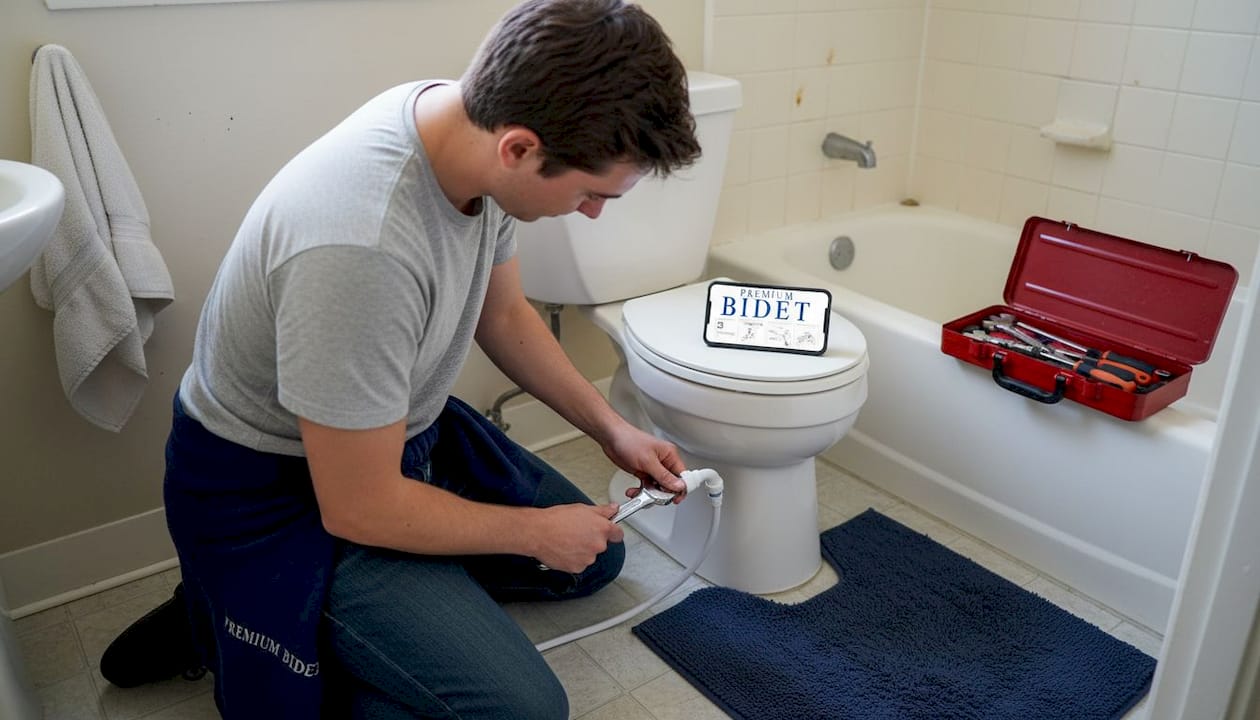
- Myth: Installation is complicated. Reality: Most bidet attachments install in under 30 minutes with no plumber needed.
- Myth: Bidets are expensive. Reality: Bidet use reduces toilet paper consumption by up to 75%, saving roughly $240 per year per household.
- Myth: They’re only for luxury bathrooms. Reality: Options exist for every budget, from $30 attachments to full smart toilet systems.
Switching to a bidet is one of the highest-impact, lowest-effort changes a homeowner can make for both personal health and environmental sustainability.
Understanding the bidet cost and benefits helps frame this not as a luxury purchase but as a practical upgrade with a real return on investment. And if you’re curious about going fully paper-free, sustainable bidet solutions make that transition easier than most people expect.
Top toilet hygiene tips for the modern home
Good hygiene starts with good habits, and a bidet works best when paired with a smart routine. Here’s a practical, step-by-step approach to upgrading your bathroom hygiene from the ground up.
- Pre-wipe before using the bidet. Always remove solids first. This makes the water rinse far more effective and keeps your nozzle cleaner longer.
- Use front-to-back technique. For women especially, front-to-back wiping is critical for UTI prevention. Most bidet seats offer a dedicated feminine wash setting.
- Clean your bidet nozzle weekly. Nozzles collect mineral deposits and bacteria over time. Most self-cleaning nozzles still benefit from a manual wipe with a soft cloth and mild cleaner.
- Disinfect your toilet bowl and seat regularly. Use non-toxic, bathroom-safe cleaners to avoid damaging bidet components or irritating skin.
- Always wash your hands thoroughly. This step is non-negotiable regardless of what hygiene tools you use.
- Swap to recycled or bamboo toilet paper. If you still use some paper for drying, choose unbleached, recycled options to reduce your footprint.
- Avoid flushable wipes entirely. Despite the label, most flushable wipes cause serious plumbing problems and are not biodegradable in any meaningful timeframe.
For eco-friendly swaps that go beyond the bidet itself, consider:
- Recycled or bamboo toilet paper for occasional drying
- Non-toxic, plant-based bathroom cleaners
- Reusable cloth towels for drying (common in bidet-using households)
- Sediment filters if you have hard water, to protect your bidet’s nozzle
Pro Tip: If you’re renting or hesitant to commit, start with a non-electric bidet attachment. They require no outlet, cost under $50, and install without any permanent changes. Check out these bidet maintenance tips and bidet cleaning steps to keep any model running like new.
Bidets 101: What to know before you switch
Not all bidets are the same, and picking the right type for your home makes a big difference in satisfaction. Here’s a quick breakdown of what’s available.
Types of bidets:
- Non-electric attachments: Clip under your existing seat. No outlet needed. Great for renters and first-timers.
- Electric bidet seats: Replace your toilet seat. Offer heated water, warm air drying, adjustable pressure, and more.
- Handheld sprayers (bidet showers): Attach to your toilet’s water supply. Flexible and affordable, but require manual control.
- Smart toilet combos: All-in-one units with integrated bidet functions, heated seats, and auto-flush.
Before buying, think through these practical factors:
- Is there a GFCI electrical outlet within reach of your toilet? Electric seats need one.
- How much clearance is there between your toilet and the wall? Some seats need extra space.
- Do you have hard water? If so, stainless steel nozzles last significantly longer than plastic ones.
- How many people share the bathroom? Shared units need more frequent nozzle cleaning.
Pro Tip: For US homeowners switching to bidets, start with non-electric attachment models like the BioBidet SlimEdge for an easy, low-commitment trial. If you love it, upgrade to a TOTO electric seat for the full premium experience.
Performance testing matters too. Top models clean Nutella simulant effectively in 30s in Consumer Reports benchmarks, which gives you a real-world sense of cleaning power before you buy. Our bidet buying guide walks through every factor in detail, and if you’re in an apartment, this guide on installing bidet in apartment covers everything you need to know.
Best eco-friendly bidets for US homeowners
Ready to compare real models? Here’s a side-by-side look at the top-rated options for American homeowners in 2026.
| Model | Type | Self-cleaning nozzle | Eco mode | Best for |
|---|---|---|---|---|
| TOTO Washlet C5/S5 | Electric seat | Yes | Yes | Best overall, families |
| BioBidet Bliss BB-2000 | Electric seat | Yes | Yes | Runner-up, feature-rich |
| Brondell Swash 1400 | Electric seat | Yes | Yes | Value pick, seniors |
| Luxe Bidet NEO 320 | Non-electric | Yes | N/A | Renters, small bathrooms |
| BioBidet SlimEdge | Non-electric | Yes | N/A | First-timers, tight spaces |
Recommended eco-friendly bidets for US homeowners consistently include TOTO and BioBidet at the top for a reason: both brands invest heavily in water efficiency, durable materials, and long-term reliability.
TOTO Washlet C5/S5
- Pros: Exceptional build quality, ewater+ self-cleaning, energy-saving mode
- Cons: Higher upfront cost, requires nearby outlet
BioBidet Bliss BB-2000
- Pros: Powerful wash, hybrid heating (no cold surprises), great warranty
- Cons: Bulkier profile, premium price
Brondell Swash 1400
- Pros: Slim design, easy controls, excellent value
- Cons: Fewer advanced features than TOTO
Luxe Bidet NEO / BioBidet SlimEdge
- Pros: No outlet needed, installs in minutes, very affordable
- Cons: Cold water only, no dryer
For smaller bathrooms, our guide on bidets for small spaces narrows down the best compact-friendly options. And if you’re curious about actual water consumption, bidet water savings breaks down the numbers clearly.
Bidets vs toilet paper: Hygiene, comfort, and cost comparison
Let’s put the numbers side by side so you can see exactly what switching means for your home.
| Category | Bidet | Toilet paper |
|—|—|—|
| Bacteria removed | 75-92% | ~32% |
| Annual cost (avg.) | ~$30-60 (water + electricity) | ~$120-300+ |
| Water used per use | 0.1-0.3 gallons | 37 gallons per roll (production) |
| Comfort rating | High (adjustable pressure/temp) | Moderate (friction, irritation risk) |
| Environmental impact | Low | High (trees, water, bleach) |
| Installation needed | Yes (one-time) | None |
Water rinsing reduces 75-92% of bacteria compared to toilet paper’s 32%, which is a meaningful difference for anyone dealing with skin sensitivity, hemorrhoids, or recurring infections.
On the environmental side, bidets cut TP deforestation by reducing demand for the 15 million trees felled annually in the U.S. just for toilet paper. That’s before accounting for the bleaching chemicals and transport emissions involved in paper production.
Comfort benefits most users notice after switching:
- No more skin irritation or chafing from repeated wiping
- Relief for those with hemorrhoids, IBS, or post-surgical sensitivity
- Fresher feeling throughout the day
- Reduced odor compared to paper-only cleaning
For a deeper look at the environmental side, our article on the environmental impact of bidets covers the full picture.
Practical considerations: Common issues, mistakes, and expert fixes
Even the best bidet runs into real-world challenges. Knowing what to expect keeps your upgrade smooth.
Tight bathrooms with less than 2 inches of clearance can make installation tricky, and older plumbing sometimes needs an adapter before a bidet attachment will fit properly. These are solvable problems, not dealbreakers.
Common issues and how to fix them:
- Cold water only: Non-electric models use unheated water. If that’s a concern, choose an electric seat with a built-in water heater or hybrid tank.
- No nearby outlet: Hire an electrician to add a GFCI outlet, or stick with a non-electric model.
- Sediment buildup: Hard water clogs nozzles over time. Install an inline sediment filter at the water supply line.
- Shared bathroom hygiene: Run the self-clean cycle before and after each use, and wipe the nozzle weekly with a mild cleaner.
- Seat wobble or poor fit: Measure your toilet bowl shape (round vs. elongated) before purchasing. Most brands list compatibility clearly.
Pro Tip: A $10 inline sediment filter installed at your toilet’s water supply valve can extend your bidet’s nozzle life by years, especially in cities with hard water.
Small upgrades and regular cleaning solve most common problems homeowners face with bidets.
For tight spaces, our bidets for tight spaces guide has specific model recommendations. And for keeping your seat in top shape, these bidet seat cleaning tips cover everything from daily care to deep cleaning.
Upgrade your bathroom comfort with advanced bidets
You now have the full picture: the hygiene science, the eco-friendly math, the model comparisons, and the practical know-how. The next step is finding the right bidet for your specific bathroom, budget, and lifestyle.
At PremiumBidet.com, we carry the top-rated models covered in this guide, including the full lineup of top-rated bidet seats from TOTO, BioBidet, and Brondell. If you already have your eye on a specific model, check out the BioBidet BB-2000 details for specs, pricing, and customer reviews. Prefer an all-in-one solution? Browse our selection of bidet toilet combos for a seamless, modern bathroom upgrade. Every purchase includes fast U.S. shipping, warranty coverage, and support from our team of bidet specialists.
Frequently asked questions
How much water does a bidet use compared to a toilet or toilet paper?
A single bidet wash uses only 0.1 to 0.3 gallons of water, far less than the 37 gallons required to manufacture just one roll of toilet paper.
Is switching to a bidet really better for the environment?
Yes. Lifecycle analyses favor bidets over toilet paper across water use, deforestation, and carbon emissions, making bidets the clear eco-friendly choice.
Does a bidet improve personal hygiene compared to toilet paper?
Absolutely. Bidets remove 7-10x fewer bacteria than toilet paper, with water rinsing achieving 75-92% bacterial reduction versus just 32% for wiping alone.
What’s the easiest way for a beginner to try a bidet?
Start with a non-electric bidet attachment like the BioBidet SlimEdge. It installs in minutes, costs under $50, and requires no electrical outlet or plumbing changes.
Recommended
- Advantages of eco-conscious bathrooms in 2026– Smart Toilets & Bidet Seats | Premium Bidet
- Bidet vs Toilet Paper: Which Is Better for the Environment? | Premium Bidet– Smart Toilets & Bidet Seats | Premium Bidet
- Bidet vs Wipes: Which Is Cleaner & Greener in 2025?– Smart Toilets & Bidet Seats | Premium Bidet
- Bidet Trends 2025: Smart Toilets, Hygiene Tech & What to Expect– Smart Toilets & Bidet Seats | Premium Bidet
Leave a comment